The Bank factors in stakeholder views in determining sustainability topics most material to its business.
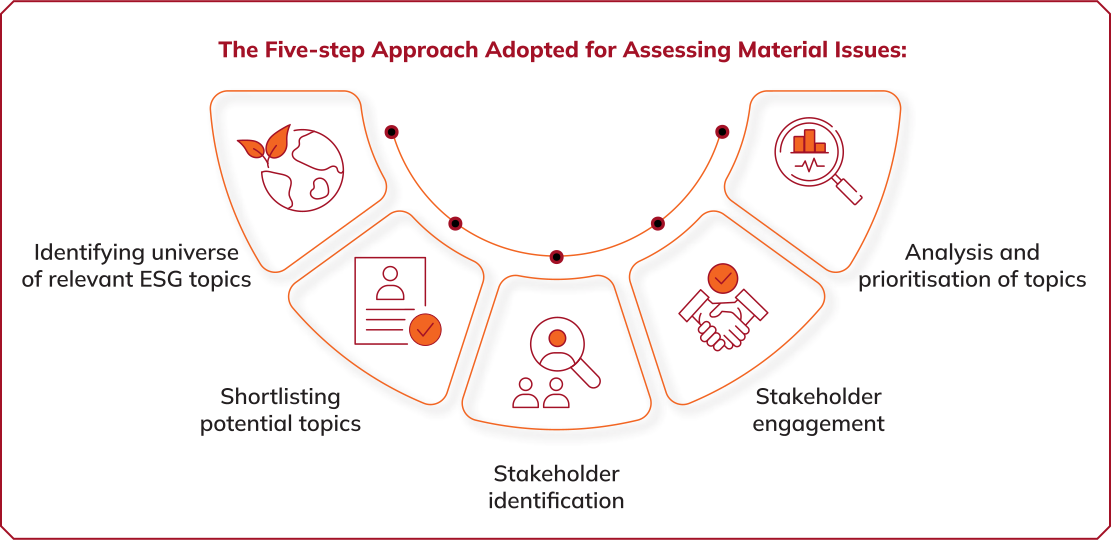
Materiality assessment is an important step to recognise and prioritise the environmental, social, and governance (ESG) issues most relevant to the Bank’s business and its stakeholders. Given the changing landscape, evolving regulatory environment and changes in stakeholder priorities, the Bank re-examined the key ESG-related material topics to identify priority areas considered important by its stakeholders. The previous materiality assessment was conducted in fiscal 2022.
The approach involved compiling a list of potential material topics by benchmarking them against international standards and frameworks such as Global Reporting Initiative (GRI), Sustainability Accounting Standards Board (SASB), and Dow Jones Sustainability Index (DJSI). Similar to the previous assessment, we also conducted a benchmarking with leading industry peers to ensure completeness of our ESG focus areas. This was followed by shortlisting the potential topics to be considered for seeking feedback from stakeholders.
The feedback on perceived importance of each material topic was sought through a materiality survey shared with stakeholders comprising employees, customers, investors, vendors and industry partners, to gather feedback.
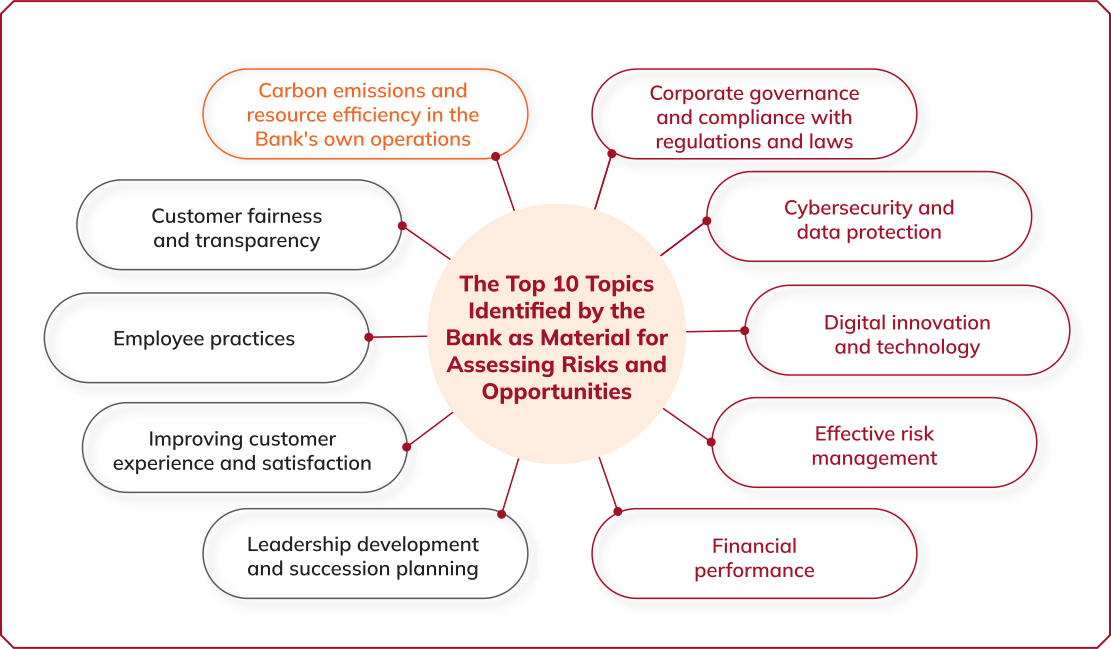
The Bank identified 14 material topics for feedback from stakeholders. Of these, 10 topics were shortlisted that were considered most relevant for sustainable long-term growth of the Bank.