

Chapter 5SHG Bank Linkage Programme (SHG-BLP) and its Role in Financial Inclusion in India
SHG Bank linkage programme was launched as a pilot scheme by National Bank for Agriculture and Rural Development (NABARD) in 1992, with the approval of RBI. The RBI provided enabling policy framework for promoting SHGs and linking with the banks. Since then, the programme has seen a huge traction and become a movement of sorts in the country. The Government of India has adopted it for its poverty alleviation programme through DAY-NRLM. Today, SHG Bank linkage programme is considered as the largest microfinance programme in the world.

SHG Bank Linkage Programme (SHG-BLP) and its Role in Financial Inclusion in India
SHG Bank linkage programme was launched as a pilot scheme by National Bank for Agriculture and Rural Development (NABARD) in 1992, with the approval of RBI. The RBI provided enabling policy framework for promoting SHGs and linking with the banks. Since then, the programme has seen a huge traction and become a movement of sorts in the country. The Government of India has adopted it for its poverty alleviation programme through DAY-NRLM. Today, SHG Bank linkage programme is considered as the largest microfinance programme in the world.
Microfinance in India is now available in two models i) Microfinance Institutions - Bank/FIs led model, mostly adopting JLG concept and ii) Self-Help Group Bank Linkage Programme (SHG-BLP). In addition to the above, individual lending is also made under microfinance, but their share in the overall microfinance is low. Accordingly, microfinance was seen as the most effective means to reduce poverty in many developing countries like India
Out of the two models, SHG-BLP is considered the first major programme of microfinance activity in India. SHG-BLP, a landmark model initiated to deliver affordable doorstep banking services and largely achieve the stated goals of financial inclusion, have since become a major banking product. The RBI supported it with regulatory policy, and the most pathbreaking was the decision in 1991 to allow informal groups to open bank accounts and also avail credit from banks. Started as a bank outreach programme, SHG-BLP transcended itself into a holistic programme for building financial, social, economic, and technological capital in rural India. The SHG-BLP have gained prominence in the country as the most impactful programme through bank credit primarily due to its widespread adoption by Scheduled Commercial Banks, Regional Rural Banks and Cooperative Banks.
The Central and State governments realised the strength of the SHG movement and adopted it for implementing several programmes, mostly targeted at the poor. The Government of India has been supporting by way of special budgetary provision for promotion of the SHGs. With a view to achieving universal financial inclusion through the SHGs, the Ministry of Rural Development, Government of India, launched National Rural Livelihoods Mission (NRLM) in 2011 by restructuring Swarnajayanti Gram Swarojgar Yojana (SGSY). NRLM, later christened as DAY-NRLM, is the world’s largest poverty alleviation and employment generation programme, is based on the concept of SHG-BLP, of organizing poor into SHGs and linking them with banks and support them to access a range of financial services and livelihoods. SHG Bank linkage programme is also considered the first initiative of a large-scale financial inclusion process, bringing the poor under the formal banking fold. Further, it has also helped the poor, especially women, in their social and financial empowerment.
NABARD and SHG Bank Linkage
5.1 Overview of SHG-BLP
The SHG-BLP has completed three decades in the Indian financial sector landscape and has grown from strength to strength. Over the last five decades there has been a massive expansion of the formal banking system, still financial inclusion through last-mile connectivity was always a challenge in rural India. The SHG-BLP model was pioneered by NABARD, when the formal banking system could not provide finance to the informal sector and the rural poor, who were considered as ‘unbankable’ till then. Under this model, women in a village were encouraged to form the SHGs. An SHG is a group of about 15 to 20 people from a homogenous background, who join together to address common issues, where members regularly contribute small savings to the group. Once the groups are formed, a bank account for SHGs is opened, which is the first step in the bank linkage programme. The savings of the group are collected and deposited in these accounts, after using it for internal lending. Eventually as the group builds substantial financial discipline, they establish a credit linkage with the banks whereby the bank provides credit to the group for on-lending to members. The members of the SHGs generally avail these loans to engage in income-generating activities, sustainable livelihood creation activities, apart from consumption purposes. These loans are given without any collateral and at interest rates determined by the groups.
Over the years, the SHG-BLP has emerged as a popular microfinance model in addressing poverty alleviation and extending the outreach of the Government of India’s financial inclusion agenda. With deepening credit engagement and declining NPAs, SHG-BLP has transformed into a resilient platform for economic empowerment and inclusion of those at the bottom of the pyramid. By accessing credit through the bank linkage programme, SHGs function as more than mere savings and credit groups; they also serve as channels for a range of services such as skill development, entrepreneurship training, social networking opportunities, and access to diverse financial products like pensions, insurance, and remittances. These functions contribute significantly towards financial inclusion, social empowerment of the poor, and gender equity. Going forward, the priority must shift from scale to sustainability, ensuring that SHGs not only obtain credit but also utilize it effectively and productively.
As of 31st March 2025, 17.1 crore rural households are connected through 1.43 crore SHGs, which have savings linkage and of which 84.94 lakh have credit linkage. Outstanding bank credit to SHGs has crossed ₹3,04,259 Cr, registering a healthy 17% year-on-year growth, underscoring both the resilience and creditworthiness of SHGs.
The key statistics under SHG-BLP for FY 2024- 25 viz. the number of SHGs with savings bank accounts, amount of credit disbursed during the year, the bank loans outstanding as well as the quantum of savings outstanding are delineated in Table 5.1.
Table 5.1: Key Statistics under SHG-BLP
| S.No. | Indicators | 2025 | 2024 | Change |
|---|---|---|---|---|
| 1 | Total number of SHGs saving-linked with banks (in Lakh) | 143.3 | 144.21 | -0.91 |
| Percentage of NRLM/NULM Groups | 74% | 64% | 10% | |
| 2 | Total saving amount of SHGs linked with banks (₹ in Cr.) | 71,433 | 65,089 | 6,344 |
| Percentage of women groups linked | 86% | 97% | -11% | |
| Percentage of NRLM/ NULM groups | 81% | 87% | -6% | |
| 3 | Total number of SHGs with loan outstanding (in Lakh) | 84.94 | 77.42 | 7.52 |
| 4 | Total loan amount outstanding (₹ in Cr) | 3,04,259 | 2,59,664 | 44,595 |
| 5 | Total No. of SHGs credit linked during FY 2024-25 (in Lakh) | 55.57 | 54.82 | 0.75 |
| 6 | Total Amount disbursed during FY 2024-25 (₹ in Cr.) | 2,08,283 | 2,09,286 | -1,003 |
| 7 | Number of Households covered (in Cr) | 17.1 | 17.75 | -0.65 |
| 8 | Non-Performing Asset (NPA%) | 1.74% | 2.79% | -1.05% |
5.2 SHG-BLP Activity since Inception
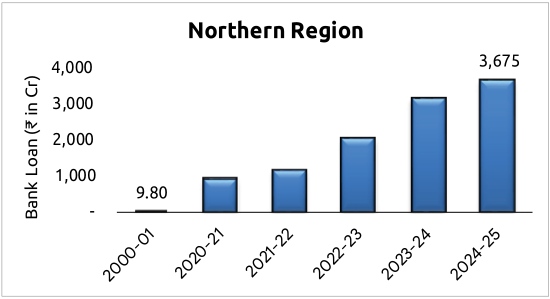
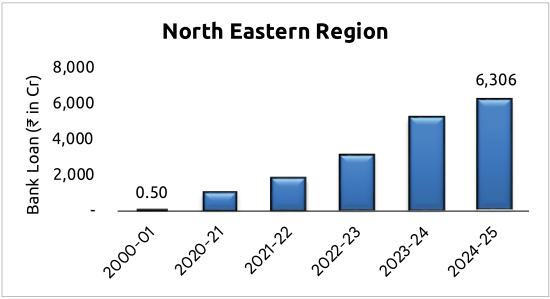
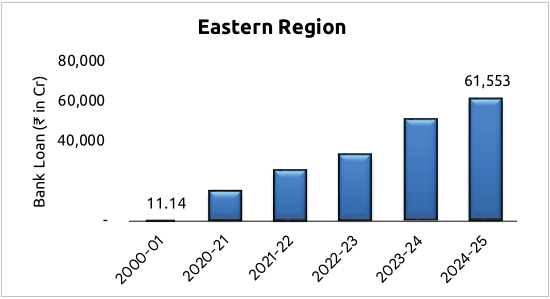
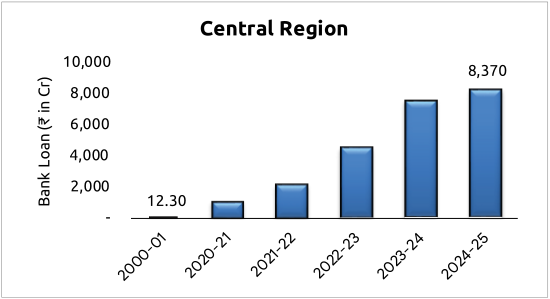
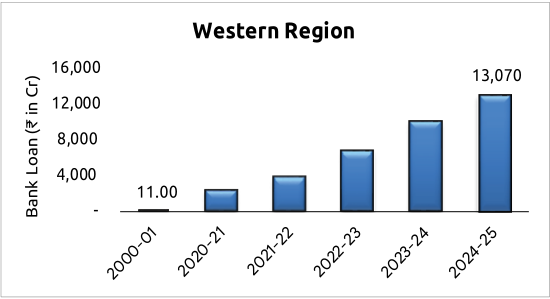
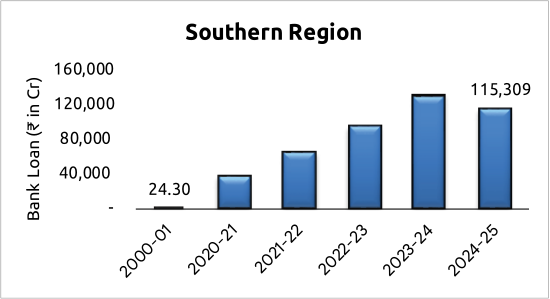
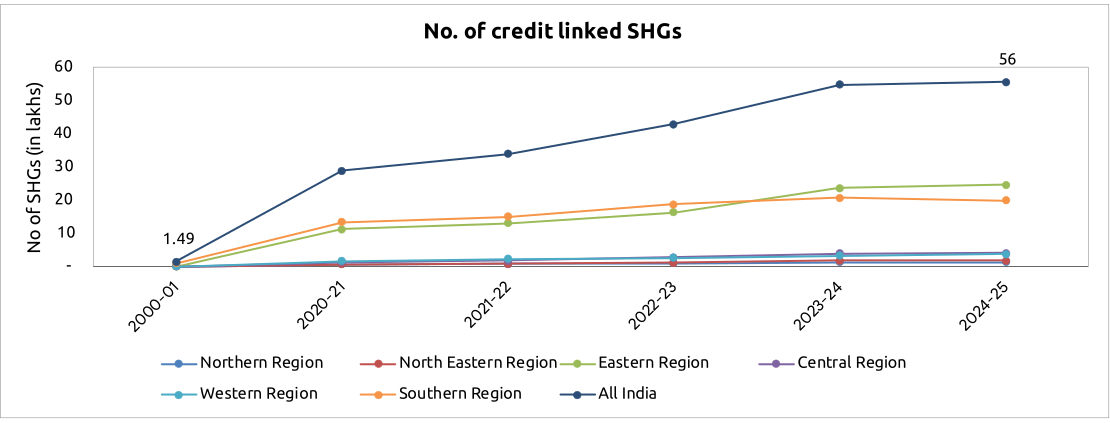
The programme has grown steadily in the past 25 years. Both the number of credit-linked SHGs and the bank loan disbursed have grown significantly from the year 2000 to 2025. Not just pan India but across the regions the outreach and credit disbursed have increased manifold, showcasing the enduring strength of SHG-BLP. However, the region-wise growth has not been uniform, indicating the varying maturity level of the SHG formed, which forms the bedrock for the success of the SHG-BLP.
The southern states, on a comparative basis, have seen more growth in the credit linkage and bank disbursement. One of the reasons was that the concept of SHG was developed and promoted by NGOs which were more in the southern region. In the beginning SHG Bank linkage was a NGO led programme. But with NRLM taking over the programme, the growth has been seen across the country. It is now rapidly spreading its wings in other regions as well. The region-wise trend in the spread of credit linkage of SHGs is shown in Figure 5.1.
Figure 5.1: Historical Trend in Credit Linkage and Bank Loan Disbursed
5.2.1 Saving performance of SHG-BLP
The regular savings is the bedrock of the SHG-Bank linkage model. It is said first save and then borrow. The members contribute regularly to the group’s thrift fund through weekly, fortnightly, or monthly savings, which primarily used for internal lending to meet members’ credit needs. Any excess savings beyond these requirements are deposited into a dedicated savings account opened in the name of the SHG, ensuring secure storage and access to formal financial services. As of 31st March 2025, total savings under SHG-BLP grew by 9.75% year-on-year, reaching ₹71,433 crore, reflecting strong financial discipline and effective corpus mobilization among SHGs. In addition, there would be a similar amount outstanding with the members who have borrowed from the internal sources.
Regionally, the Southern and Eastern zones led the savings figures with ₹32,532 crore and ₹23,076 crore, respectively. Average savings per SHG increased across all regions, with the Southern region reporting the highest average savings at ₹75,978 per SHG, while the Northern region recorded the lowest at ₹18,656 per SHG.
Figure 5.2: Region wise Progress of Saving Linkage of SHG with Banks during FY 2024-25
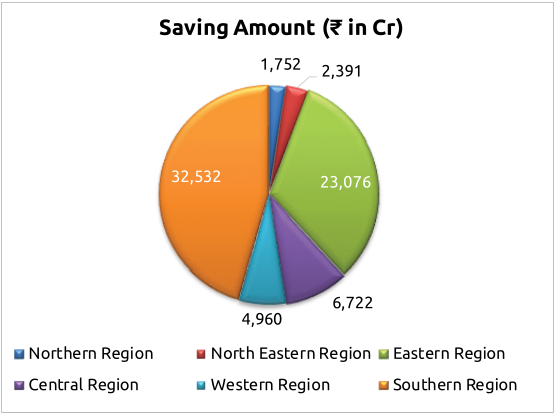
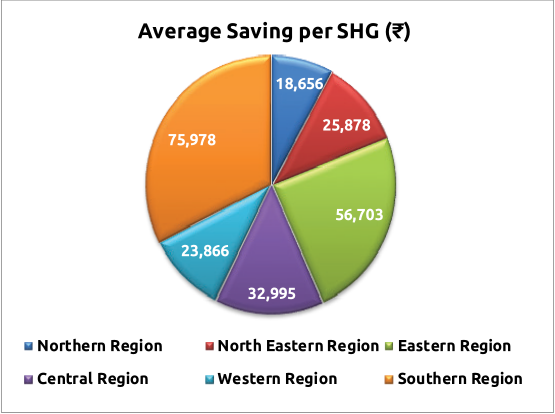
Figure 5.3: Agency wise Savings of SHGs with Banks in FY 2024-25
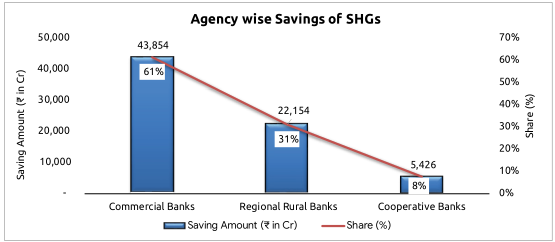
The Commercial Banks with their extensive network and outreach, financial strength, technological advancements, risk management practices and professional expertise, have continued to have the maximum share of savings of SHGs which accounted for nearly 61% of the total savings mobilized. Figure 5.3 depicts the savings of SHGs as on 31st March 2025 with various Banks viz. Commercial Banks, Regional Rural Banks and Cooperative Banks.
5.2.2 Credit disbursement to SHGs
Over the past decade, credit disbursement through the SHG Bank Linkage Programme has grown substantially, with 55.57 lakh SHGs accessing fresh loans totalling ₹2,08,283 crore in the financial year 2024–25. Despite this impressive scale, year-on-year growth has slowed, showing only a slight increase in the number of SHGs and a small reduction in the total amount borrowed compared to the previous year. This suggests the programme is transitioning from rapid expansion to a phase of consolidation. Moreover, the overall stress witnessed in the microfinance sector during the year also have contributed to the slower growth
Regionally, the Southern and Eastern zones remained the primary contributors to credit disbursement under the programme. However, the Southern region’s share has been steadily declining over recent years, while other regions are gaining ground. Additionally, the average loan size for SHGs in the Northern, Eastern, and Central regions remained considerably lower than that in the Southern region, highlighting the need for focused efforts to strengthen sustainable livelihoods and promote income-generating activities across these areas.
Figure 5.4: Region wise Loan Amount Disbursed to SHGs during FY 2024-25
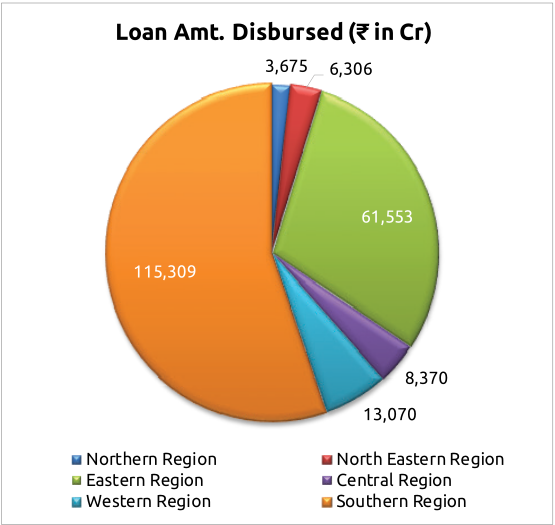
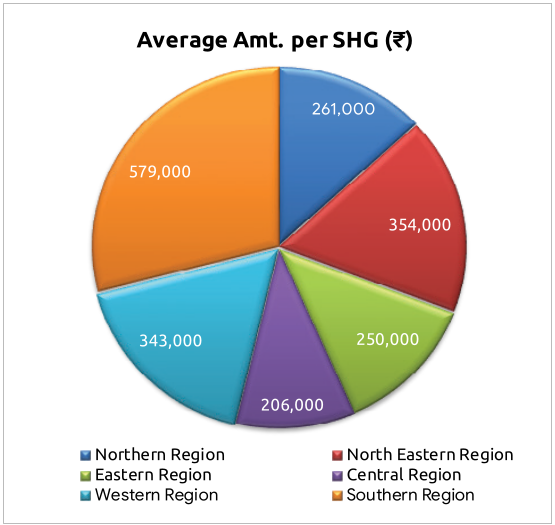
Figure 5.5: Agency wise Credit Disbursement to SHGs during FY 2024-25
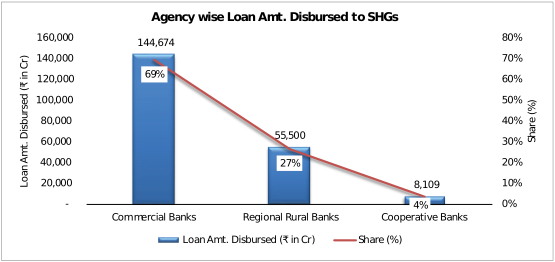
Figure 5.5 shows that the larger share of the loans disbursed during the year was by the Commercial Banks at ₹1,44,674 crore, followed by RRBs with ₹55,500 crore, and Cooperative Banks at ₹8,109 crore. The Commercial Banks accounted for around 69% and RRBs 27%. The Cooperative Banks had a meagre share of 4%
5.2.3 Loans outstanding under SHG-BLP
Loans extended to Self-Help Groups (SHGs) typically range in tenure from 18 to 36 months. There is also cash credit arrangement with banks under which the SHGs borrow and lend to its members. As of 31st March 2025, the outstanding loan amount against SHGs stood at ₹3,04,259 crore.
Regionally, the Southern region maintained the pole position in total outstanding loans, followed by the Eastern region. The average loan outstanding per SHG as on 31st March 2025, increased from the previous year and since the year 2015 has grown nearly six-fold in financial terms. This rise indicates deeper credit penetration and sustained borrowing cycles, underscoring the strengthening financial engagement of SHGs with formal banking institutions.
Figure 5.6: Region wise Loan Outstanding with SHGs as on 31st March 2025
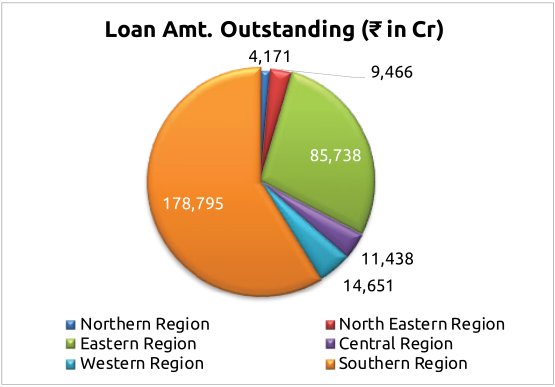
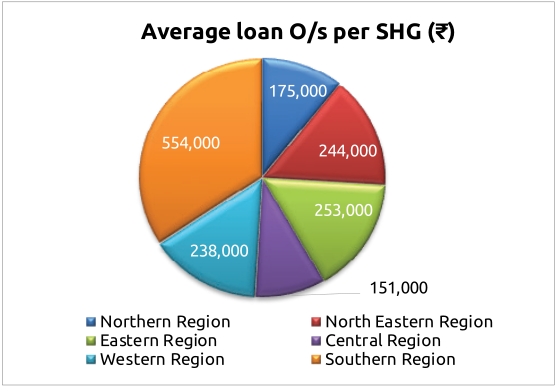
Figure 5.7: Agency wise Loan Outstanding against SHG as on 31st March 2025
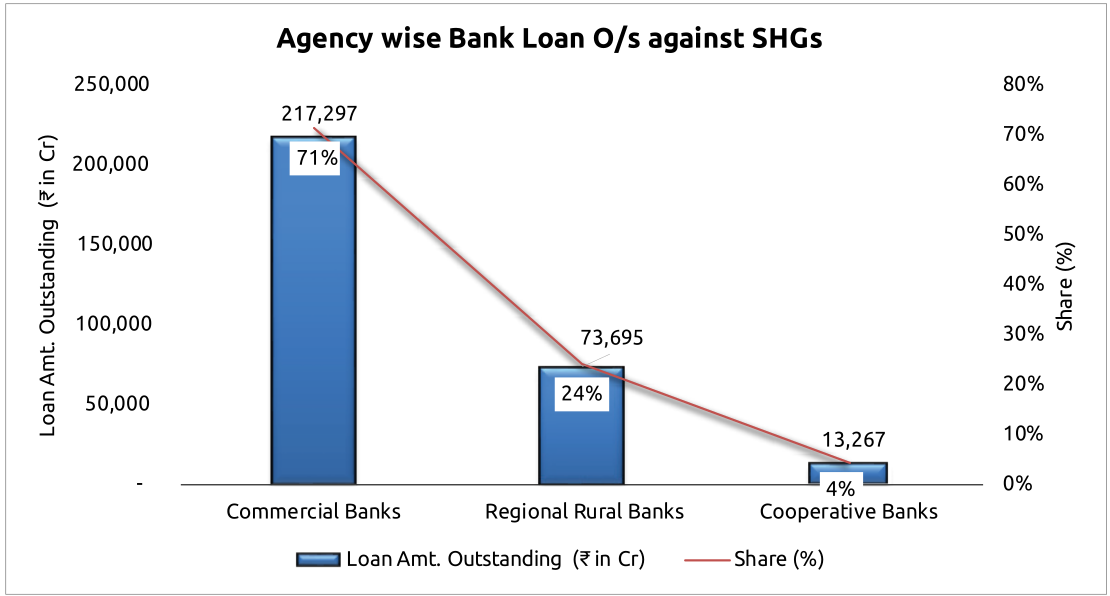
The larger share of credit linkage to Self-Help Groups (SHGs) is by Commercial Banks, followed by Regional Rural Banks (RRBs), while Cooperative Banks contribute a comparatively smaller share.
As of 31st March 2025, Commercial Banks accounted for the largest portion of outstanding loans to SHGs, representing 71% of the total bank credit extended. Despite their smaller operational scale, RRBs held a notable 24% share, reflecting their growing role in rural finance. Cooperative Banks, although limited in reach, contributed approximately 4% to the overall credit linkage.
5.2.4 Non-Performing Assets (NPAs) in SHGBLP
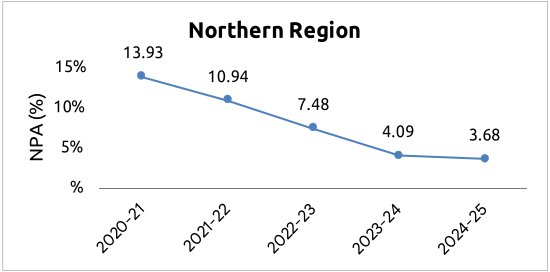
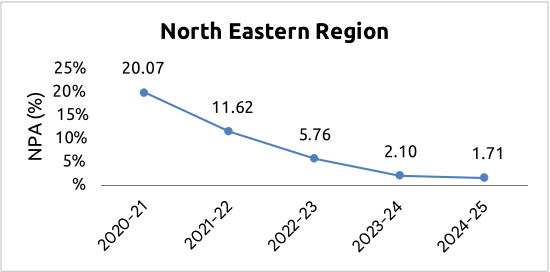
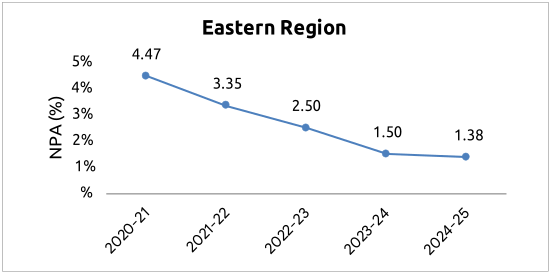
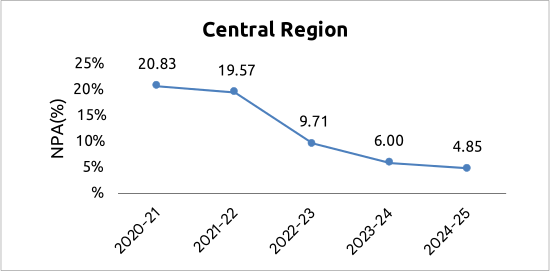
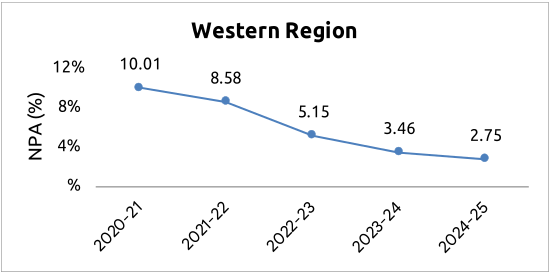
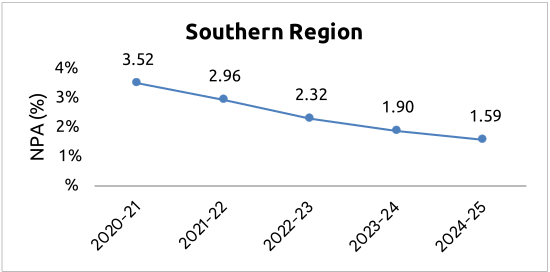
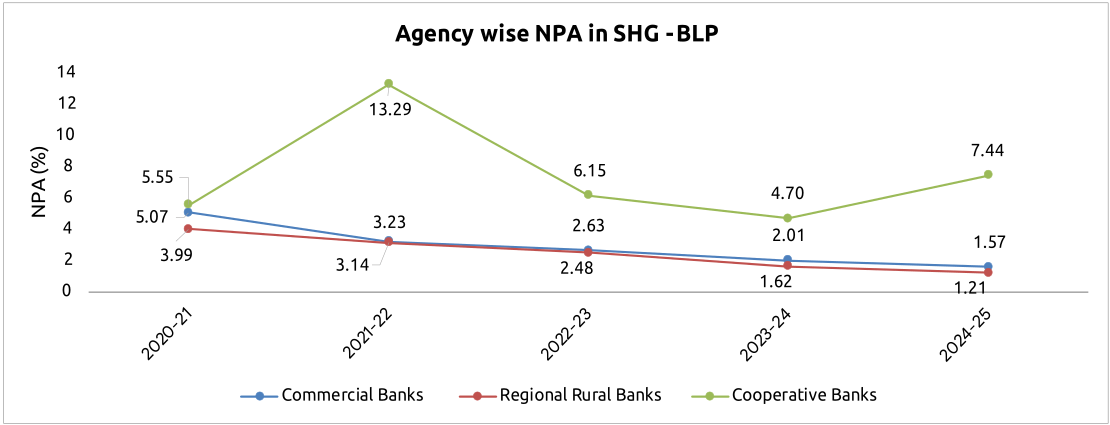
SHG Bank linkage programme always showed the best repayment performance. As of 31st March 2025, the overall level of Non-Performing Assets (NPAs) on bank loans extended to Self-Help Groups (SHGs) had declined nationally to 1.74%. This downward trend in NPAs was observed across all regions during the financial year, with the Southern region also recording a reduction in absolute NPA levels. Regionally, the Southern (1.59%) and North Eastern (1.71%) regions outperformed the national average with lower NPA percentages. Conversely, the Central region continued to show the highest NPA levels relative to outstanding loans. Among the lenders, the Commercial Banks and Regional Rural Banks demonstrated satisfactory loan recovery rates. Whereas the loan extended by Cooperative Banks showed higher NPAs although they had limited exposure to SHG lending. Probably the Cooperative Banks need to have better asset quality, monitoring and management. As of the reporting date, asset quality assessments by institution type revealed that Regional Rural Banks held the strongest position, followed by Commercial Banks and Cooperative Banks.
Figure 5.8: Gross Non-Performing Assets in SHG-BLP during the last 5 years (as on 31st March 2025)
5.3 SHG based Livelihood Interventions of NABARD
The SHG-BLP has evolved into a robust platform for collective action, savings mobilization and enabling access to formal credit. It was to support the financial inclusion in the country. With the involvement of NRLM, the development strategy of the Ministry of Rural Development, Government of India has been for livelihood augmentation to increase income, create employment, promote skills, and foster entrepreneurship among rural households. Aligned with this strategy NABARD’s has redesigned Micro Enterprise Development Programme (MEDP) and Livelihood and Enterprise Development Programme (LEDP), which are skill development programmes to enhance the entrepreneurial capabilities of the members of SHGs. Recently, NABARD has initiated several newer programmes such as m-Suwidha, Money Purse Application, and GRIP, to extend focused financial support to women entrepreneurs across farm and nonfarm sectors. Together, these programmes provide skilling, enterprise development, value chain integration, and refinance support to facilitate livelihood expansion, with the goal of empowering rural households in the country
5.3.1 Micro-Enterprise Development Programme (MEDP)
Launched in 2006-07, Micro Enterprise Development Programme (MEDP) is one of the skill development programmes of NABARD that imparts/upgrades skills to SHGs for setting up microenterprises in farm and off-farm activities. In FY 2023-24, the programme has been modified to enable enhanced participation and some of the new entities added such as Start-ups, Corporates, Companies, SHG Federations, POs, PACs, Marketing Federations and Subsidiaries of NABARD were made eligible as Project Implementing Agencies (PIAs). The duration of the training continues to be 15 days for 30 participants per batch, with a grant assistance of up to ₹1.50 lakh. During the year, 4,825 SHG members received training through 171 MEDPs supported by grants amounting to ₹2.47 crore to enhance their livelihood skills. Cumulatively, 6.23 lakh SHG members were trained through 20,993 MEDPs with total grant support of ₹63.17 crore as on 31st March 2025.
5.3.2 Livelihood and Enterprise Development Programme (LEDP)
The Livelihood and Enterprise Development Programme (LEDP) was mainstreamed by NABARD in 2015-16 to promote sustainable livelihoods among SHG members and to maximize the impact of skill upgradation. It focuses on SHG clusters in adjoining villages engaged in farm and non-farm activities, providing intensive skill development, refresher training, backward and forward linkages, value chain management, end-to-end solutions, as well as handholding and escort services across two credit cycles. Similar to MEDP, modifications were introduced in the programme covering aspects such as programme duration, participant numbers, provision of exposure visits for all trainees, support for capital and raw materials, assistance for essential common facilities and infrastructure, handholding and management costs, along with the inclusion of new PIAs, among others. During the year, 3,010 SHG members were provided skill and entrepreneurship training through 32 LEDPs with aggregate grant support of ₹2.67 crore. As on 31st March 2025, 3.15 lakh SHG members were supported through 2,481 LEDPs with a grant support of ₹131.07 crore.
5.3.3 Pilot Project: m-Suwidha (Microenterprises through Skill Upgradation for Women)
In 2023-24, NABARD introduced m-SUWIDHA (Microenterprises through Skill Upgradation for Women), a pilot initiative aimed at building sustainable livelihoods, in farm, off-farm, and non-farm sectors by addressing skill gaps, identifying suitable occupations, offering training through Knowledge Partners/ Resource Agencies, and facilitating marketing linkages with credit support. As part of this initiative, NABARD sanctioned a grant support of ₹40.50 lakh in 2024-25 to the Women Organization for Mass Action (WOMAN) for strengthening the livelihoods of 500 self-help group (SHG) members in Virudhunagar district, Tamil Nadu. The district recognized as an aspirational district, faces significant challenges on account of limited incomegenerating opportunities. The project seeks to upgrade the existing tailoring skills among rural women skills to match export-quality standards, thereby opening up better market prospects. On completion of the project, it’s expected to establish a credit flow of ₹1 crore.
5.3.4 Pilot Project: Real-time banking solution for SHGs (Money Purse Application)
NABARD has initiated a pilot in partnership with M/s Anniyam Solutions Pvt. Ltd., in collaboration with Odisha Gramya Bank and Kerala Bank (formerly Kerala State Co-operative Bank), to introduce the Money Purse (MP) App. The application has been designed to digitally facilitate a wide range of financial services for self-help group (SHG) members, including account opening (individual and group), savings and loan transactions, credit linkages, internal lending, real-time bookkeeping, and grading. These services are provided through Business Correspondent (BC) agents, enabling members to access doorstep banking in a seamless and transparent manner. The project seeks to strengthen financial inclusion by equipping SHGs with efficient, technologydriven solutions that ensure both convenience and timely access to credit and savings facilities.
5.3.5 Pilot Project – Graduated Rural Income Generation Project (GRIP)
In 2023-24, NABARD launched a pilot project to empower ultra-poor rural women by building their capacities and enabling asset creation, combined with an innovative Returnable Grant mechanism where beneficiaries repay up to 50% of the grant provided for livelihood assets. Launched on 01 August 2024 in five districts across Madhya Pradesh, Maharashtra, Odisha, Jharkhand, and Meghalaya, the project is implemented in partnership with BandhanKonnagar using the proven Targeting the Hardcore Poor (THP) approach. By 31st March 2025, 655 Participatory Rural Appraisals covering over 64,000 households were completed, identifying 1,694 beneficiaries, with 1,160 trained and 903 supported with livelihood assets. To strengthen monitoring and evaluation, NABARD has also developed the GRIP Management System under its Software Factory Initiative. The system digitally records graduation journeys, beneficiary scores, and socio-economic indicators at both individual and project levels.
5.4 NABARD’s Support for Promotion of Joint Liability Groups (JLGs)
NABARD initiated the pilot project for Joint Liability Group (JLG) financing in 2004-05, primarily to provide a platform for credit linkage for tenant and landless farmers. Since 2009-10, alongside providing refinance support to banks, NABARD has been awarding grant assistance to banks and eligible agencies (JLG Promoting Institutions, or JLGPIs) to support the formation, nurturing, and capacity building of JLGs and their stakeholders. To encourage JLG formation and promotion, NABARD provides grant assistance of ₹2,000 per JLG, in the case of NGOs and public sector commercial banks acting as JLGPIs and ₹4,000 per JLG in the case of RCBs/RRBs/SFBs and private sector banks. In 2017, NABARD introduced a business model under which banks—including public sector banks, RRBs, and cooperative banks—sign Memoranda of Understanding (MoUs) with NABARD to finance JLGs under specified terms and conditions.
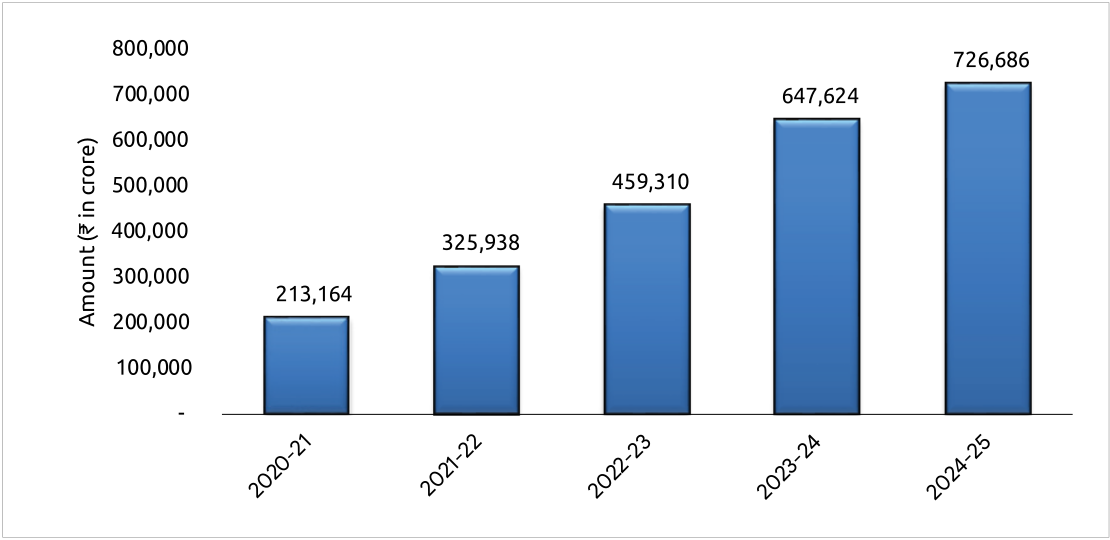
During the financial year 2024-25, 49.79 lakh JLGs were promoted, bringing the cumulative total to 380.75 lakh as of 31st March 2025, reflecting a 15% year-on-year growth. Total loan disbursements to JLGs by banks reached ₹7,26,685.76 crore as of 31st March 2025, marking a 12% increase from ₹6,47,623.85 crore at the end of the previous financial year. To enhance stakeholder awareness and strengthen the JLG programme, NABARD conducted training programmes for bank functionaries, benefiting 17,997 participants during 2024-25 and cumulatively reaching 1,30,995 individuals to date. The trend in the number of JLGs promoted and credit disbursed to them over the years is show in Figures 5.9, 5.10.
Figure 5.9: No of JLGs Promoted (cumulative)
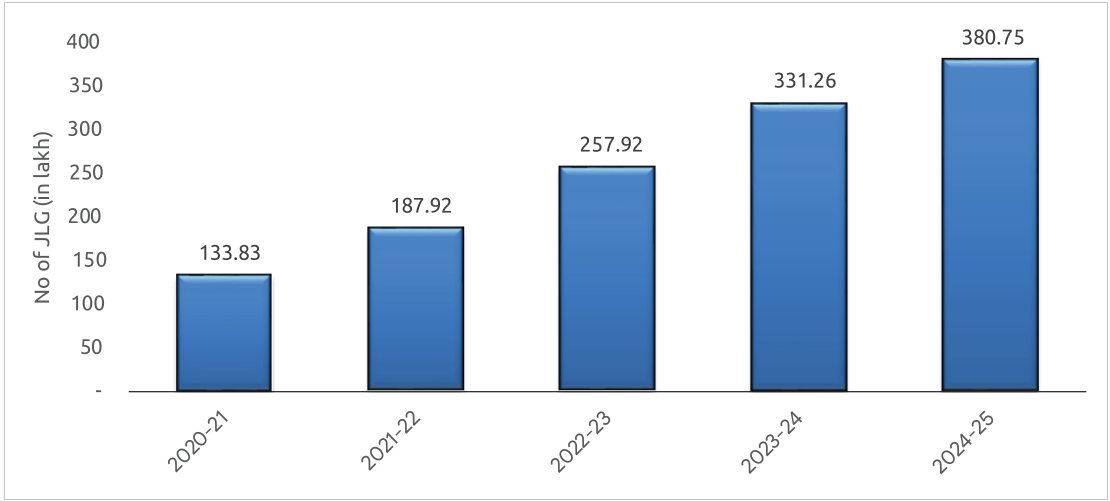
Figure 5.10: Credit disbursed to JLGs (cumulative)
Government of India and SHG Movement
5.5 Deendayal Antyodaya YojanaNational Rural Livelihoods Mission (DAY-NRLM)
Deendayal Antyodaya Yojana - National Rural Livelihoods Mission (DAY-NRLM) is the flagship program of the Ministry of Rural Development (MoRD) for promoting poverty reduction through building strong community institutions for the poor, particularly women, and enabling these institutions to access a range of financial services and livelihoods. Central to the mission is a demand-driven approach that empowers states to design their own poverty reduction plans based on local livelihood contexts. Implementation under DAY-NRLM is categorized by intensive and non-intensive blocks and districts, with all program components delivered through State Rural Livelihood Missions (SRLMs), partner agencies, or NGOs in the intensive areas. The mission evolved from the earlier Swarnajayanti Gram Swarojgar Yojana (SGSY) and was rebranded as DAY-NRLM from March 29, 2016.
The primary goal of NRLM is to expand diverse livelihood options for rural poor women by building and supporting community-based institutions, fostering their empowerment and socio-economic growth. The program now spans 28 states and 6 Union Territories (excluding Delhi and Chandigarh), covering 723 districts and 6,877 blocks. To date, approximately 8.64 crore women have been organized into some 80 lakh self-help groups (SHGs). Beyond income generation, the mission facilitates greater access to rights, entitlements, and public services, while emphasizing risk diversification and social empowerment indicators. NRLM’s philosophy is grounded in activating the inherent potential of the poor, complemented by providing them with necessary capacities such as information, skills, financial support, and collective strength to actively participate in the country’s economic progress.
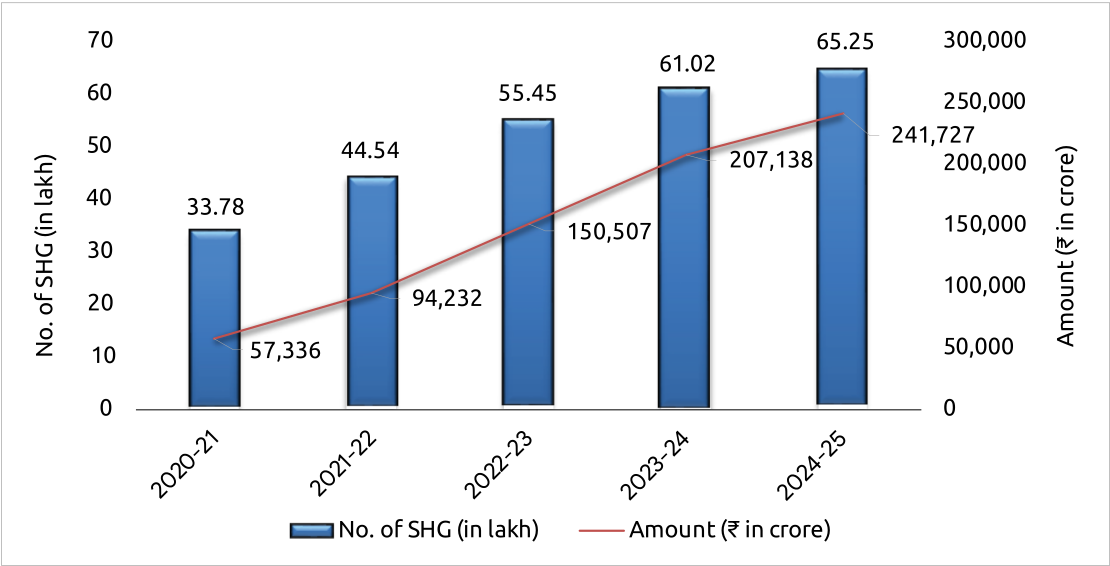
The data from NRLM indicate that during the financial year 2024-25, a total of 99.79 lakh Self-Help Groups (SHGs) were linked with banks for savings, marking an 18.37% increase compared to the previous year. These SHGs collectively held savings amounting to ₹54,026 crore, reflecting a robust 19.04% growth yearon-year. Credit was extended to 43 lakh SHGs during the same period, showing a slight decline of 4.21% from the prior year. The total credit disbursed stood at ₹1,68,863 crore, marginally down by 0.54% from ₹1,69,787 crore in 2023-24. Conversely, the number of SHGs with outstanding credit increased by 6.93% to 65.25 lakh as of 31st March 2025, with the outstanding loan amount rising by 16.70% to ₹2,41,727 crore. Figures 5.11, 5.12, and 5.13 illustrate the progress of SHG linkage under DAY-NRLM.
5.11 SHGs with Savings-Linked to Banks under NRLM
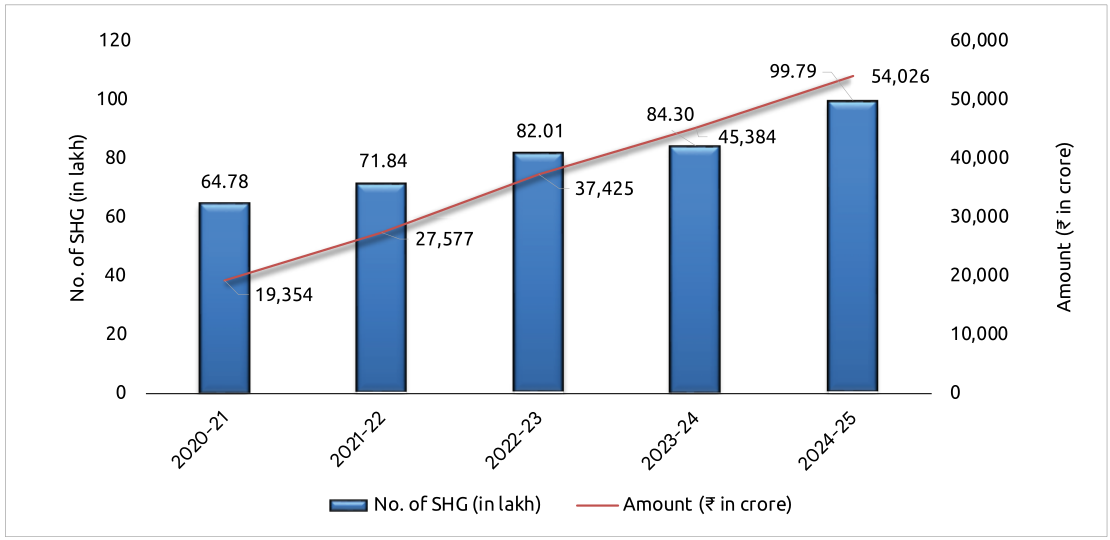
Figure 5.12: SHGs having Credit-Linked to Banks under NRLM during the year
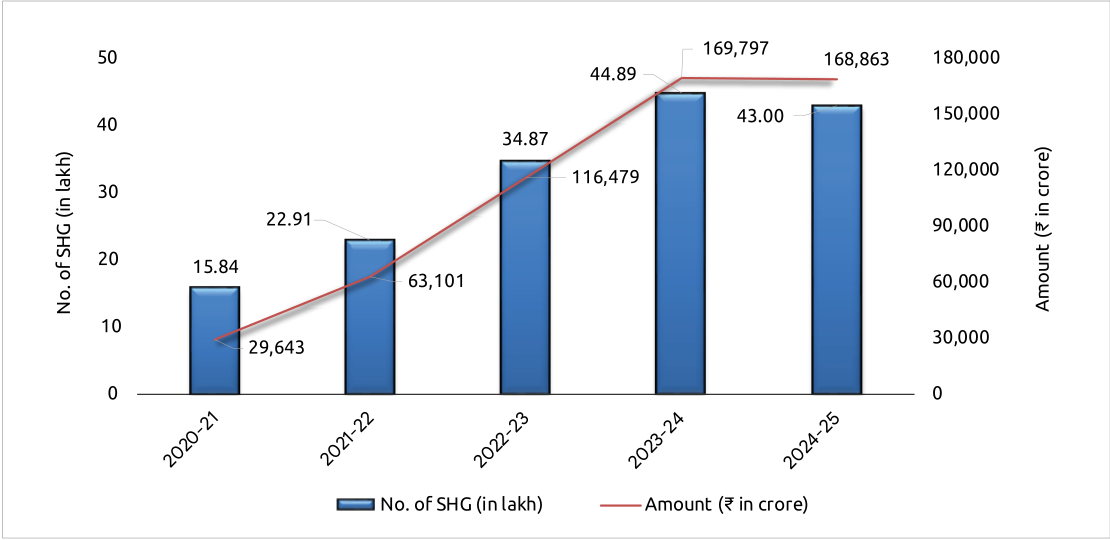
Figure 5.13: SHGs having Credit outstanding to Banks under NRLM
5.6 Deendayal Antyodaya YojanaNational Urban Livelihoods Mission (DAY-NULM)
The National Urban Livelihoods Mission (NULM) was launched by the Ministry of Housing and Urban Poverty Alleviation, Government of India, on 23rd September 2013, replacing the earlier Swarna Jayanti Shahari Rozgar Yojana (SJSRY). The mission aims to alleviate poverty among urban poor households by facilitating access to sustainable self-employment and skilled wage employment opportunities, primarily through the creation and strengthening of grassroots institutions among the urban poor. To achieve this, NULM is structured around five core components
- Social Mobilization and Institution Development (SM & ID)
- Shelter for Urban Homeless (SUH)
- Support to Urban Street Vendor (SUSV)
- Employment through Training and Placement (EST&P)
- Self-Employment Programme (SEP)
In 2016, the Government of India expanded the mission’s scope and renamed it the Deendayal Antyodaya Yojana - National Urban Livelihoods Mission (DAY-NULM). The enhanced mission places strong emphasis on the universal mobilization of urban poor into Self-Help Groups (SHGs) and their federations, aiming for at least one member, preferably a woman, from each urban poor household to join an SHG within a specified timeframe. These SHGs are envisioned as collective support structures that can address the financial and social needs of their members, thereby creating a sustainable framework for livelihood improvement among the urban poor
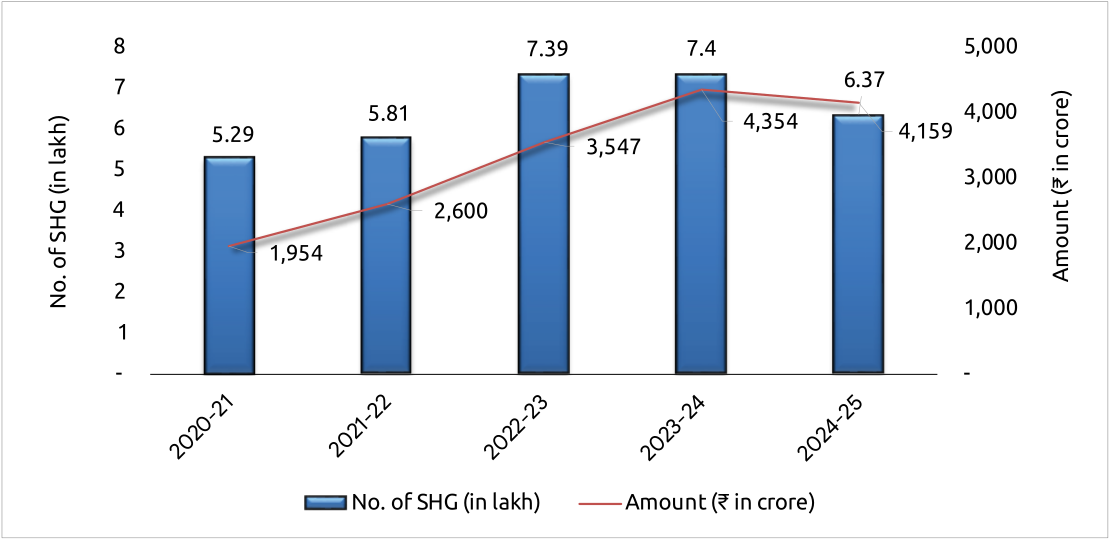
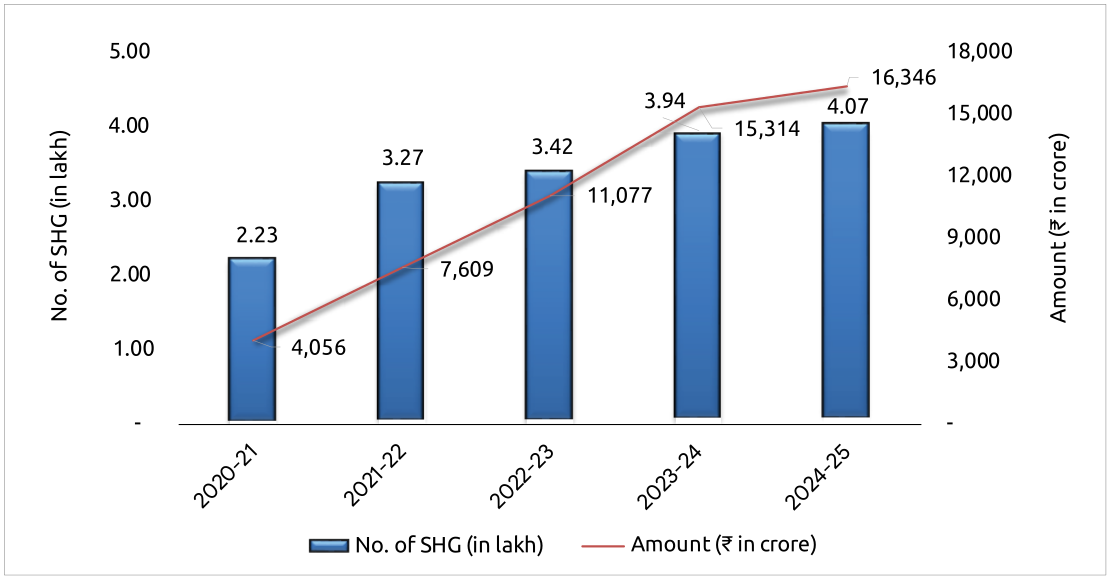
In the financial year 2024-25, a total of 6.37 lakh Self-Help Groups (SHGs) were linked to banks for savings under NULM, marking a decline of 13.91% compared to the previous year. The aggregate savings held by these SHGs amounted to ₹4,159 crore, which also saw a decrease of 4.47% year-on-year. Credit was extended to 1.94 lakh SHGs during this period, reflecting a significant decrease of 28.14% from the previous year. The total credit disbursed stood at ₹11,492 crore, a decline of 14.87% over the previous year. However, the number of NULM-linked SHGs with outstanding credit increased by 3.30% to 4.07 lakh groups as of 31st March 2025, and the total outstanding credit rose by 6.73% to ₹16,346 crore. Figures 5.14, 5.15, and 5.16 illustrate the progress of SHG linkage under DAY-NULM
Fig 5.14: SHGs with Savings-Linked to Banks under DAY-NULM
5.15: SHGs Credit-Linked to Banks under DAY-NULM during the year
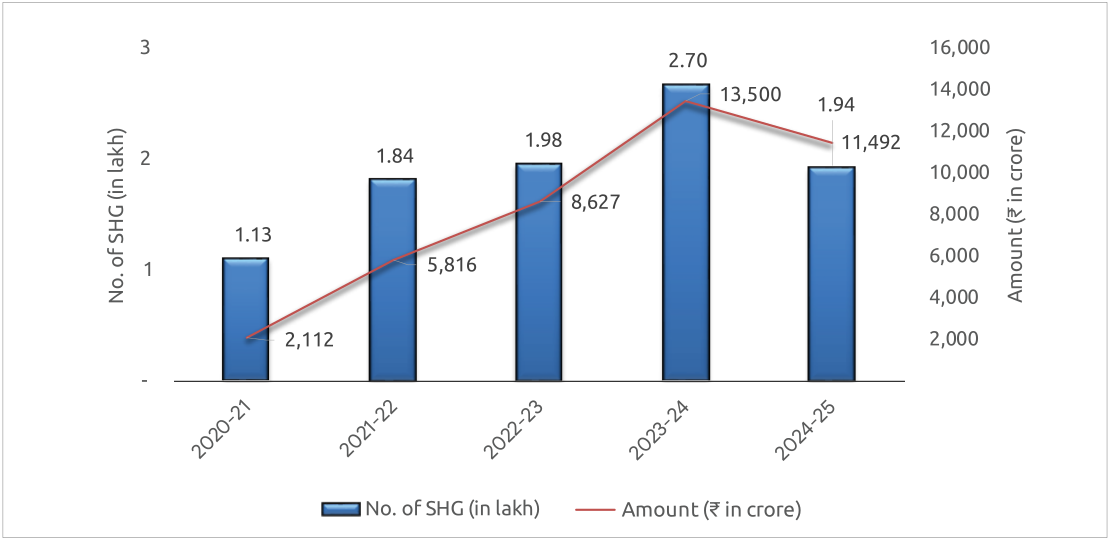
Fig 5.16: SHGs having Credit Outstanding from Banks under DAY-NULM
5.7 Lakhpati Didi Scheme
Government of India launched the Lakhpati Didi Scheme on 15th August 2023 with the objective of graduating 2 crores mature SHG women as ‘Lakhpati Didis’. The goal was increased to 3 crores, subsequently. The Lakhpati Didi scheme programme is aimed to develop Self-Help Group members to small income generating businesses/ enterprises which can earn an annual income of Rupees One Lakh (Rs. 1,00,000) or more. The Lakhpati Didi initiative facilitates diversified livelihood activities, by ensuring convergence across all Government departments, Panchayati Raj Institutions, Private sector and Market players.
The Lakhpati initiatives follow a four-pronged strategy for livelihood augmentation and its expansion, which are:
- Deepen, Strengthen and Expand Livelihood Options
- Implementation Support
- Convergence and Partnership
- Training and Capacity Building
In terms of the impact of the initiative till date, 6,611 master trainers and 4.10 lakh CRPs (Community Resource Persons) have been trained and 3.30 lakh potential lakhpati didis have been identified from across 34 states/753 districts. As on 30th June 2025, 1.48 crore women members of SHGs have become Lakhpati Didis
5.8 Women Enterprise Acceleration Fund
The National Rural Livelihoods Mission (NRLM) has established a dedicated Women Enterprise Acceleration Fund (WEAF) to support women entrepreneurs within the Self-Help Group (SHG) network. This fund offers reimbursement of credit guarantee fees, covered under the Credit Guarantee Fund Trust for Micro and Small Enterprises (CGTMSE) and the Credit Guarantee Fund for Micro Units (CGFMU), for microenterprise loans up to ₹5 lakh granted to women entrepreneurs by banks for a maximum tenure of five years. Additionally, WEAF provides a 2% interest subvention on enterprise loans up to ₹1.5 lakh per borrower, incentivizing timely repayments and encouraging good credit behaviour. This interest subvention is available only once to individual women entrepreneurs and is limited to a maximum duration of three years.
NRLM is also gaining support from other funding institutions in helping this programme to get traction and achieve the desired results. As a result, the Gates Foundation has taken the responsibility in 4 states viz. Assam, West Bengal, Jharkhand, and Chhattisgarh, where the SHG members are identified, trained, and handheld for setting up or scaling up of their activities and become a Lakhpati didi. Sa-Dhan is the partner in these 4 states.
5.9 Namo Drone Didi Scheme
The Namo Drone Didi scheme, initiated by the Government of India in late 2024, aims to empower women-led Self-Help Groups (SHGs) by providing them access to drone technology for agricultural services. Under this scheme, about 14,500 selected women SHGs will receive drones on a subsidized basis to offer rental services such as spraying fertilizers and pesticides to farmers. The program includes 15 days of training for selected women members, covering drone piloting and agricultural applications, enabling effective management of 2,000 to 2,500 acres annually per SHG. Financial assistance includes an 80% subsidy on drone costs (up to ₹8 lakh) and lowinterest loans for the remaining amount. This initiative implemented by the Departments of Rural Development, Agriculture and Farmers Welfare, Fertilizers, and Civil Aviation seeks to enhance women’s entrepreneurship, diversify rural livelihoods, and increase agricultural productivity through technology adoption.
Box 5.1: Sa-Dhan supports Women Enterprise Development programmes
Sa-Dhan has initiated two programmes to support women enterprises among the people from the bottom of the pyramid. One programme called WE LEAD is in collaboration with SIDBI and another one, with the support of the Bill Gates Foundation, is supporting the DAY NRLM and SRLMs in select states for the development of women enterprises among SHG members.
Both these programmes are transformative initiatives aimed at empowering women entrepreneurs across multiple states in India. These efforts are designed not only to support women in starting and scaling up their enterprises but also to build an enabling ecosystem that fosters long-term sustainability, financial inclusion, and economic resilience. Through a combination of capacity building, credit facilitation, formalization, and institutional strengthening, Sa-Dhan is committed to reaching over 1 million women entrepreneurs.
The Women-led Entrepreneurship Initiatives are presently being implemented in 6 states viz Assam, West Bengal, Jharkhand and Chhattisgarh, along with NRLM and Gujarat, and Tamil Nadu under the SIDBI project.
Under the WE-LEAD programme, Sa-Dhan has continued to drive women’s economic empowerment in Gujarat and Tamil Nadu through comprehensive capacity-building and enterprise support interventions and has reached over 10,400 women entrepreneurs in Gujarat and Tamil Nadu through EDPs and trade-specific training. The programme covered a wide range of livelihood trades such as organic soap making, handmade agarbatti, jute bag production, jewellery making, bakery and snacks products, and food processing, helping women upgrade their skills and build viable enterprises.
To further strengthen women-led businesses, Sa-Dhan facilitated credit linkages for 6,100+ trained beneficiaries, mobilising a total of ₹34.37 crore. This access to finance has enabled women entrepreneurs to expand production, improve product quality, and enter new markets. Alongside, Sa-Dhan organised 13 Buyer–Seller Meets in Tamil Nadu and Gujarat, with more underway—creating vital opportunities for women to connect with buyers, suppliers, and wider markets.
To promote formalization of businesses, women entrepreneurs have also received assistance in securing key documentation, including Udyam Aadhaar, PAN, and FSSAI licenses, and have been onboarded onto e-platforms for digital bookkeeping. By integrating training, finance, handholding and market access, the WE-LEAD initiative has built a strong ecosystem for women entrepreneurs to scale their businesses and contribute to sustainable and inclusive economic growth in both states.
Sa-Dhan is providing technical assistance to the DAY National Rural Livelihoods Mission (NRLM) and four State Rural Livelihood Missions (SRLMs)—West Bengal, Assam, Chhattisgarh, and Jharkhand under Gates Foundation project. This initiative focuses on transitioning women from Self-Help Group (SHG)-based bank linkages to individual enterprise-level bank linkages, thereby unlocking access to higher and more formal sources of finance. A critical component of this effort involves training Vitta Sakhis (SHG cadres) to identify and support SHG women in expanding their enterprises through credit facilitation. To build a robust support system, the programme also enhances the capacity of SRLM officials, enabling them to serve as mentors who will continue to guide and support Vitta Sakhis, ensuring long-term impact and sustainability
To date, more than 3,842 Vitta Sakhis and over 1,038 SRLM officials have been trained across the four states, and more need to be trained. As a direct outcome, within 17 months, Vitta Sakhis have mobilized over 1,50,000 loan applications, out of which 59,404 loans have been disbursed, amounting to ₹77,298.87 lakh. These outcomes signify a major breakthrough in enhancing women’s access to finance and ensuring the sustainability of their enterprises through strong collaboration with financial institutions. This progress directly supports the Lakhpati Didi mission, aiming to increase women’s incomes by 40– 50%.
One of the key challenges encountered in the programme was the absence of a robust digital framework. Due to this, Vitta Sakhis and SRLM officials were unable to effectively track loan applications, and at the same time, bankers lacked an adequate mechanism to process these applications in a seamless manner.
To address this gap, Sa-Dhan, in collaboration with NRLM, has helped in developing a comprehensive digital platform aimed at streamlining the end-to-end process of Individual Enterprise Loan applications. This innovative mechanism allows Vitta Sakhis to submit loan applications through a dedicated mobile app. These applications are then reviewed and verified by SRLM officials before being forwarded to multiple banks.
Based on the offers received, women entrepreneurs can select the most suitable option for credit in line with their preferences and eligibility. This system not only empowers women with choices but also brings greater transparency and efficiency into the overall loan disbursement process.
This digital framework is expected to significantly enhance coordination among Vitta Sakhis, SRLM officials, and bankers, while ensuring faster processing and real-time tracking of loan applications.
These initiatives will play a vital role in strengthening the ecosystem for individual women enterprise financing and supporting women’s financial inclusion in a more structured and scalable way.
Through these integrated interventions, Sa-Dhan is not only enabling access to finance and enterprise development for women but also contributing to systemic change. By creating sustainable livelihood opportunities, enhancing financial literacy, and institutionalizing mentorship, the programme is laying the foundation for inclusive economic growth and a more equitable entrepreneurial ecosystem for women across rural India.